PU-Cement Floors | Nextone Seamless Flooring
PU-Cement Floors flooring

PU-Cement Floors

Heavy-duty, steam-cleanable flooring that withstands thermal shock and aggressive chemical exposure in HACCP-compliant food and pharmaceutical environments.

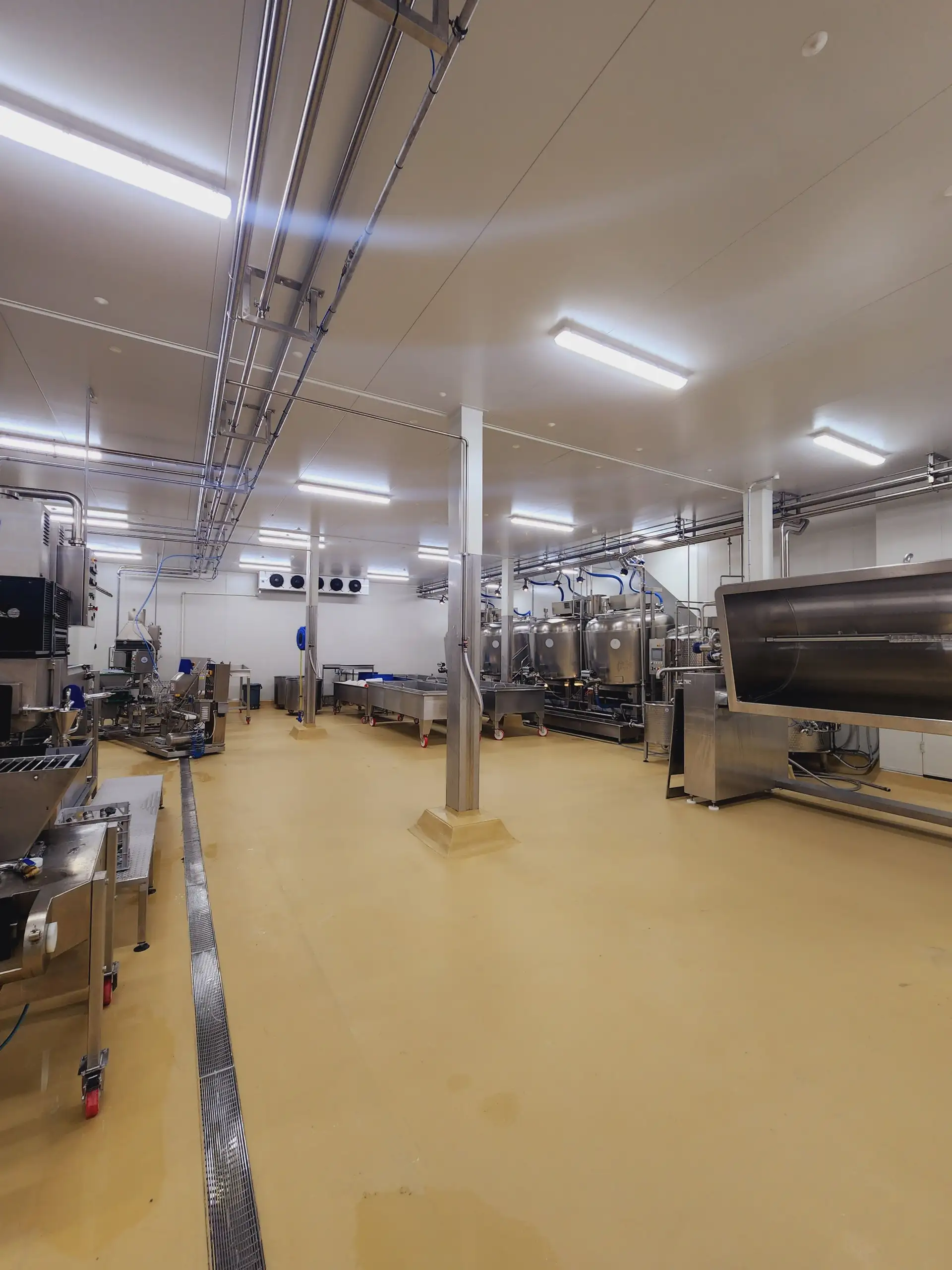
Your food processing or pharmaceutical plant demands a floor that survives daily steam cleaning at 80 °C+, forklift traffic, and aggressive chemical washdowns without cracking, delaminating, or harbouring bacteria. PU-cement (polyurethane-modified cementitious urethane) is engineered for exactly this environment.

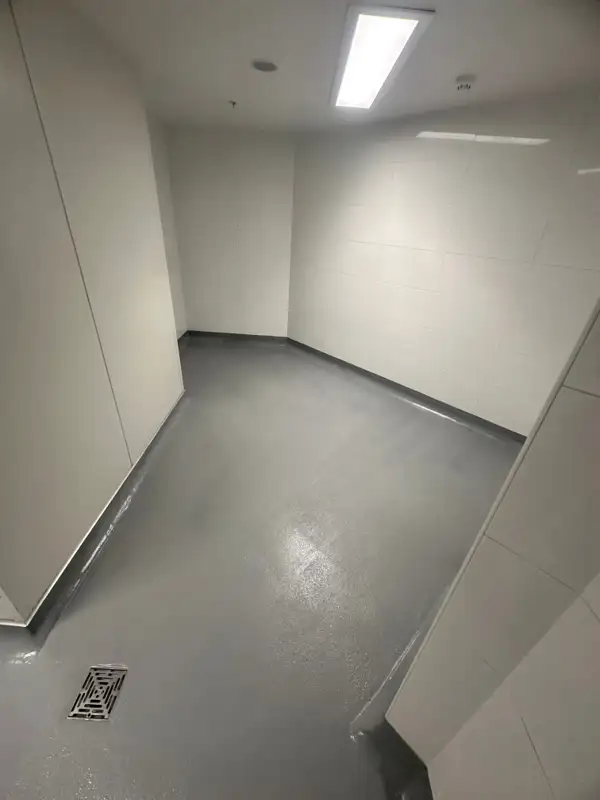
Installed at 4–6 mm (standard) or 6–12 mm (heavy-duty) over mechanically prepared concrete, it creates a monolithic, seamless surface available in two grades: a standard 4–6 mm grade rated up to 90 °C, and a heavy-duty thermal-shock grade at 6–12 mm rated -25 °C to +120 °C. The system resists organic acids, fats, caustic cleaners, and CIP chemicals while providing integral coving to eliminate wall-to-floor joints where bacteria and debris accumulate.

Anti-slip profiling from R10 to R13 is built into the system for wet process areas. We install HACCP-compatible PU-cement systems from manufacturers including Hychem, Sika, and Flowcrete across abattoirs, dairies, breweries, and pharmaceutical production areas.

Key Features

Heavy-duty thermal-shock grade (6–12 mm) rated -25 °C to +120 °C; standard grade (4–6 mm) up to 90 °C
4–12 mm monolithic cementitious urethane build-up, by grade
HACCP-compatible with anti-microbial properties
Resistant to organic acids, fats, caustic soda, and CIP chemicals
Steam-cleanable, withstands daily high-pressure washdowns
Integral coving for seamless wall-to-floor transitions
Anti-slip profiles from R10 to R13 for wet areas
Installed over mechanically prepared concrete with moisture-tolerant primers

Benefits

Survives daily steam cleaning and thermal cycling without cracking
Passes food safety, hygiene, and HACCP audits
Eliminates joints and crevices where bacteria accumulate
Handles heavy forklift and pallet jack traffic
Reduces floor replacement frequency in harsh processing environments
Maintains structural integrity in freezer and cold-storage conditions
Simplifies cleaning with a seamless, non-porous surface

Photo Gallery

Get a Free Quote

Ready to transform your space with pu-cement floors? Contact us for a free consultation and quote.

Contact Us

Quick Facts

  • Thickness 4–12 mm, by grade
  • Temp. Range Heavy-duty grade -25 to +120 °C; standard grade up to 90 °C
  • Slip Rating R10–R13
  • HACCP Compliant
  • Lifespan 15–20 years

Frequently Asked Questions

What temperatures can PU-cement flooring withstand?
Temperature rating depends on the grade. The heavy-duty thermal-shock grade (6–12 mm) is rated -25 °C to +120 °C, which suits daily steam cleaning at 80 °C or higher, hot oil, boiling-water discharge and cold-storage rooms down to -25 °C. The standard grade (4–6 mm) is rated up to 90 °C. We specify the grade for each zone.
Is PU-cement flooring suitable for food processing facilities?
Yes. PU-cement is specifically designed for food and beverage environments. The system is HACCP-compatible, anti-microbial, and provides a seamless, non-porous surface that prevents bacterial harbourage. Integral coving eliminates wall-to-floor joints where debris can accumulate.
How thick is a PU-cement floor system?
PU-cement is installed at 4 to 6 mm (standard grade) or 6 to 12 mm (heavy-duty thermal-shock grade) over mechanically prepared concrete. This monolithic build-up provides the structural strength and thermal resistance needed for heavy industrial environments.
How long does PU-cement flooring last?
In food processing and pharmaceutical environments, a properly installed PU-cement floor typically delivers 15 to 20 years of service. Its resistance to thermal shock, chemicals, and heavy traffic means it outlasts most alternative flooring systems in these demanding conditions.
Can PU-cement be installed in an operating facility?
PU-cement installation requires the area to be taken offline for approximately 3 to 5 days depending on the size and complexity. The system requires mechanical substrate preparation and multiple application stages. Planning installation during scheduled shutdowns or production breaks is recommended.

Request a Free Consultation

Speak directly with a flooring specialist — not a call centre. No obligation, no pressure.