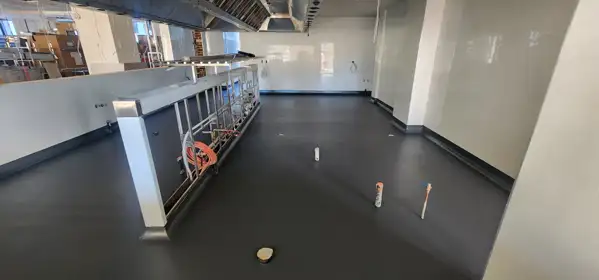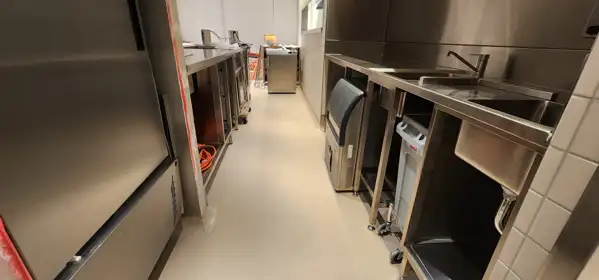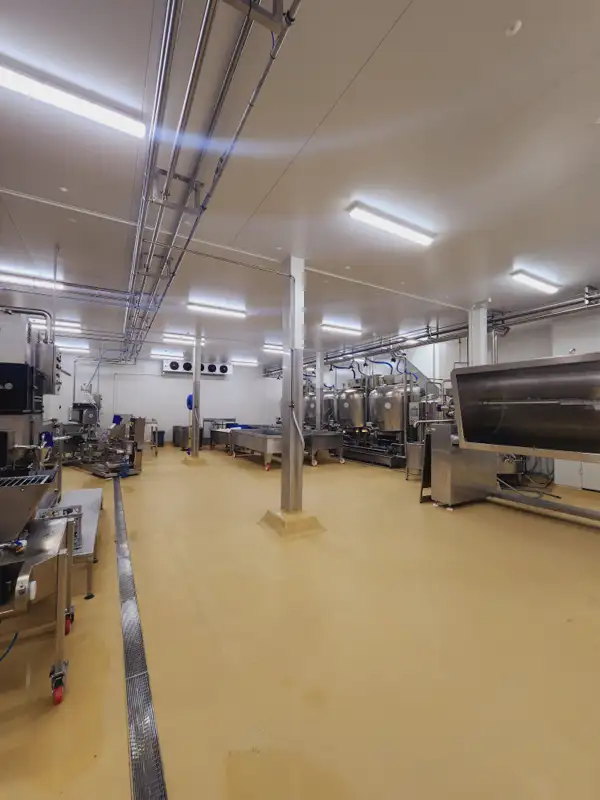
Marrickville Cheese Factory
Marrickville, NSW
View Project 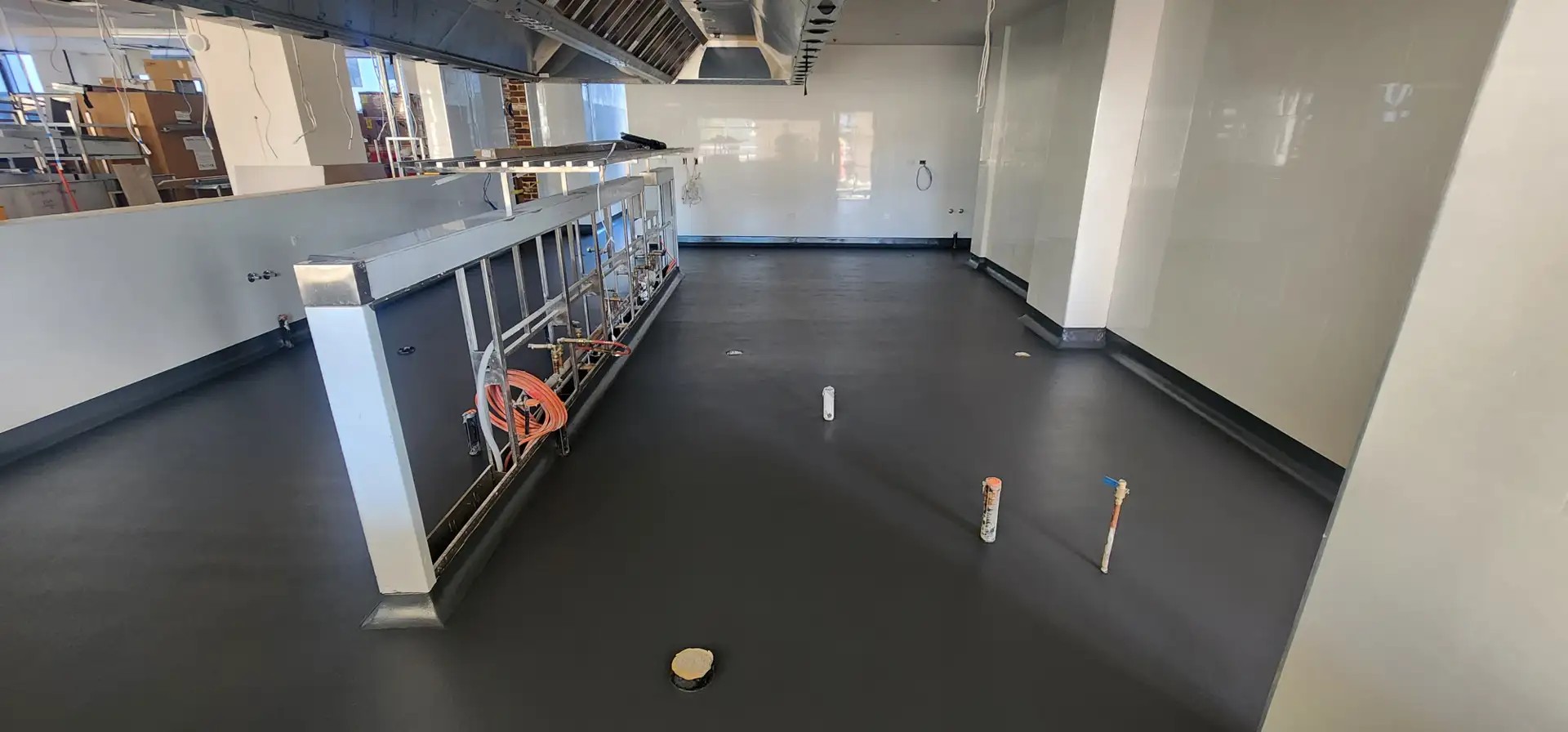
Seamless floor-to-wall transitions for hygiene-critical environments where cleaning and food safety compliance are essential.
Coving creates a smooth, curved transition between floors and walls, eliminating the sharp 90-degree junction where dirt, moisture, and bacteria accumulate. In food processing, pharmaceutical, and healthcare environments, these junctions are a primary failure point for hygiene compliance.
We install resin and cementitious coving systems in custom radius profiles that integrate seamlessly with your floor coating. The result is a monolithic, fully sealed perimeter that can be steam-cleaned and pressure-washed without harbouring contaminants. Coving is essential for facilities operating under HACCP, GMP, and food safety audit requirements.
Ready to transform your space with coving? Contact us for a free consultation and quote.
Contact UsReal-world examples of our coving installations across Sydney.
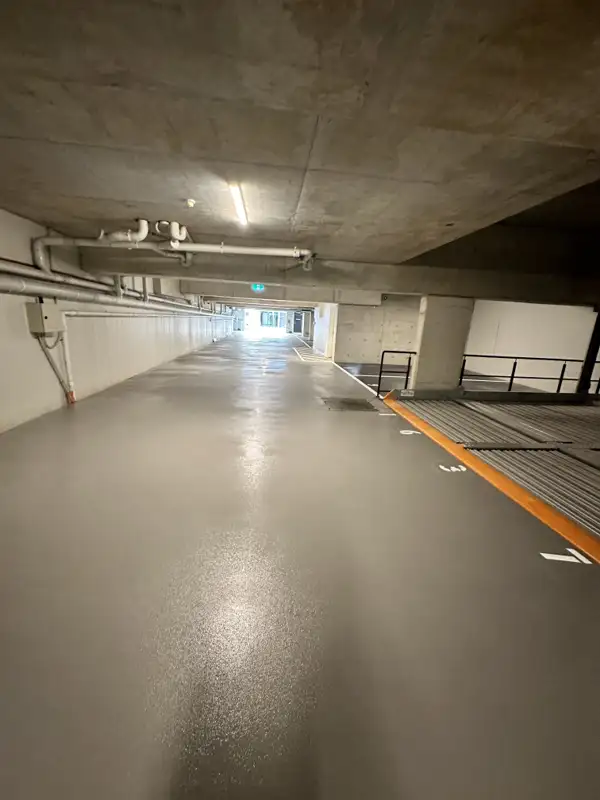
Safety zoning and traffic management markings for industrial and commercial floors that withstand forklift traffic and industrial cleaning.
View Solution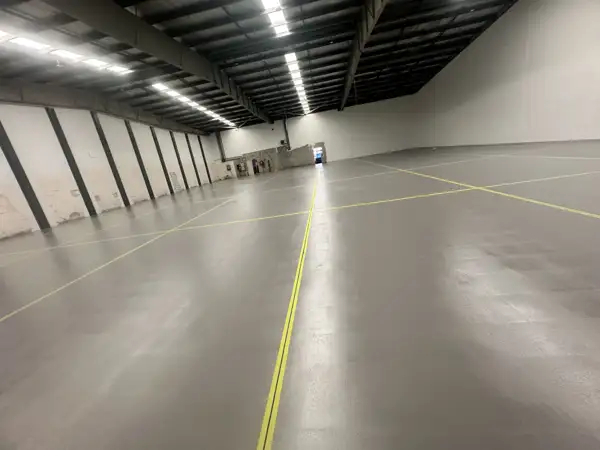
Professional joint filling, sealing, and repair for industrial and commercial concrete floors.
View Solution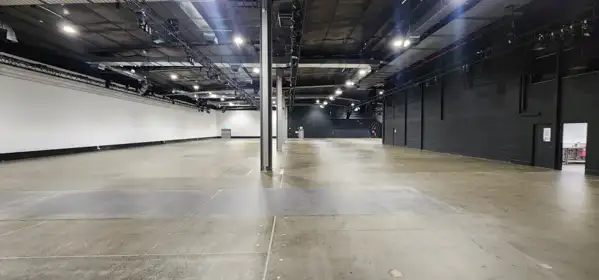
DDA-compliant tactile ground surface indicators for safe and accessible public and commercial spaces.
View SolutionSpeak directly with a flooring specialist — not a call centre. No obligation, no pressure.