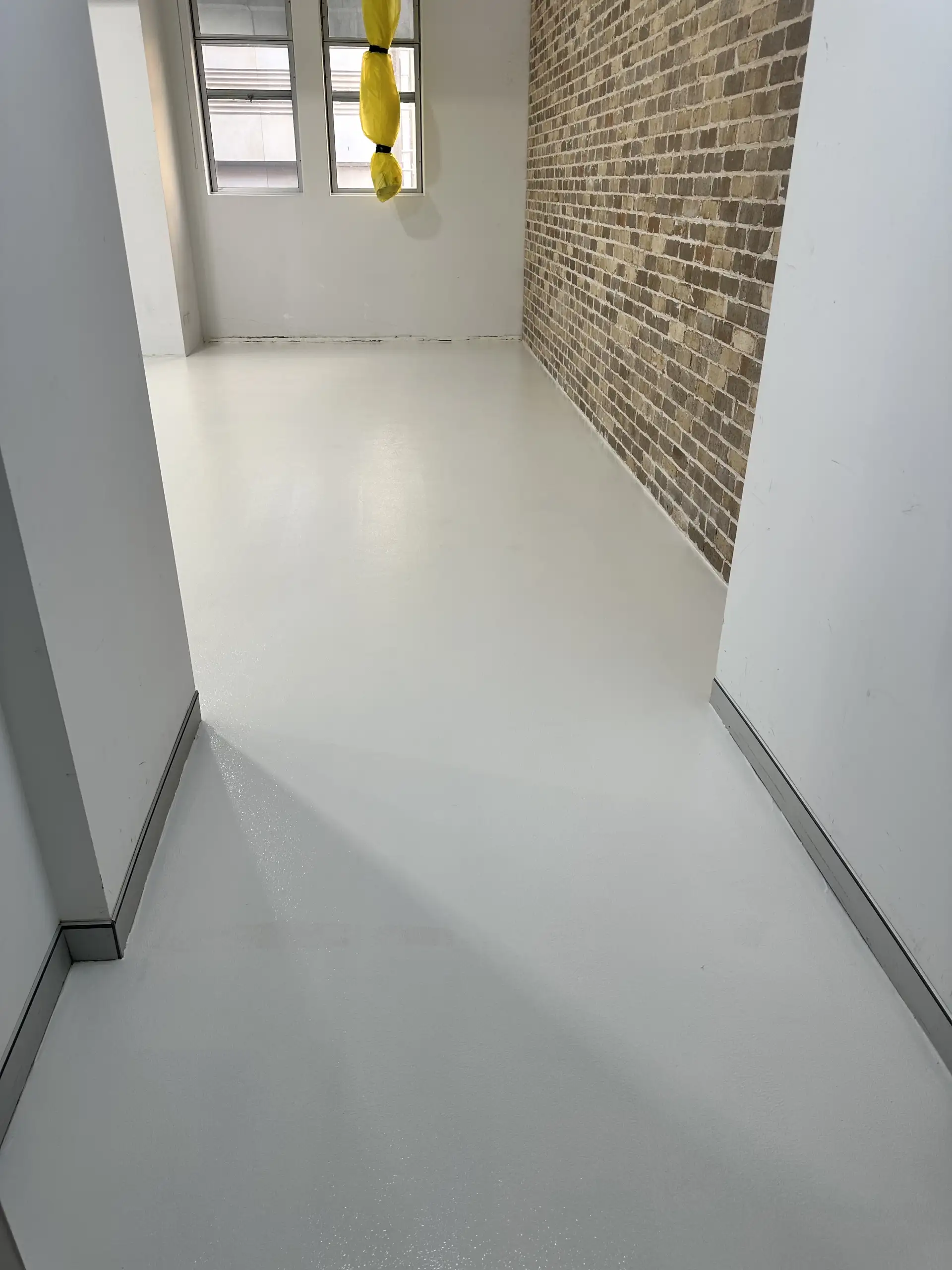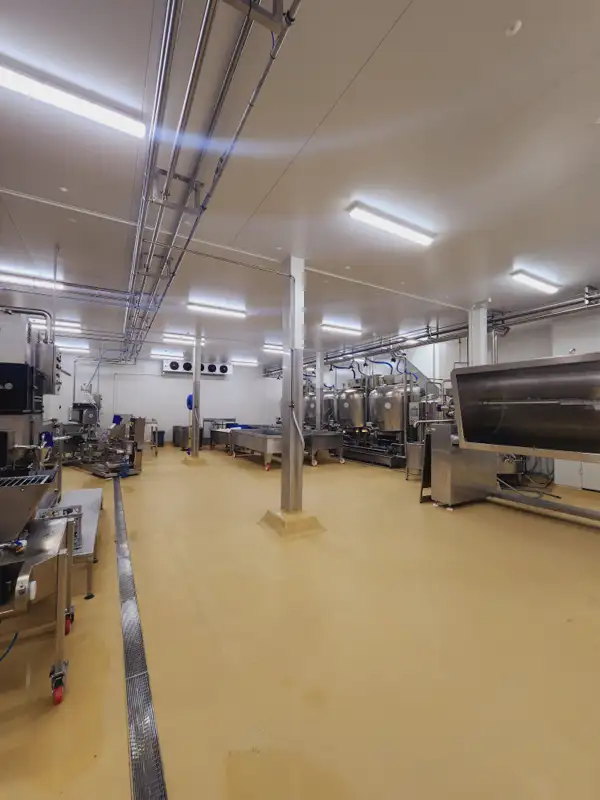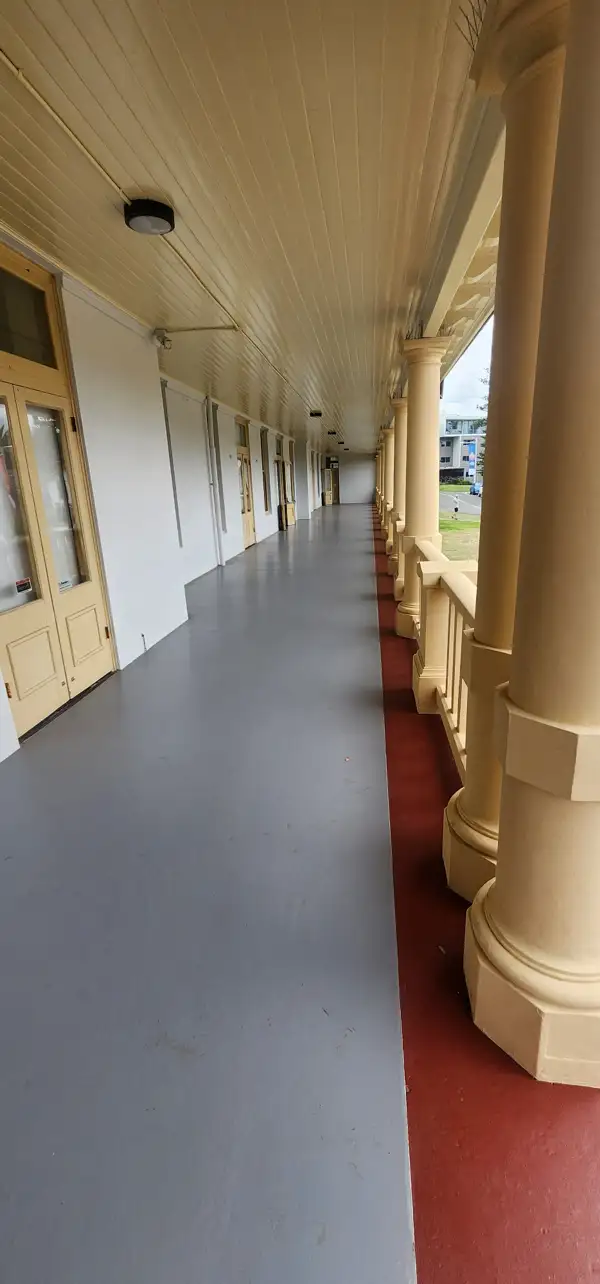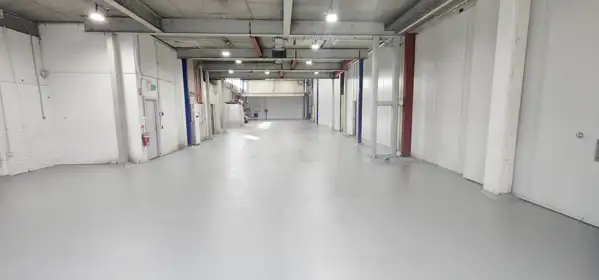
ESD (Electrostatic Discharge) Flooring flooring

ESD (Electrostatic Discharge) Flooring

ESD flooring is a true anti-static floor: it dissipates static through a verified path to ground for IEC/ANSI ESD control. Many products marketed as anti-static do not meet ESD requirements — we install tested, compliant systems.

If your facility handles sensitive electronic assemblies, volatile chemicals, or precision instruments, uncontrolled electrostatic discharge can destroy components, corrupt data, or create ignition hazards. Your floor is the first line of defence.

Anti-static is often used loosely in flooring marketing. In practice, all ESD (electrostatic discharge) floors are anti-static in the sense that they control static build-up — but not every floor sold as anti-static is a proper ESD system. True ESD flooring is specified, installed, and tested to defined surface resistance, earthing, and body-voltage limits so your facility can meet standards such as IEC 61340 and ANSI/ESD S20.20.

ESD flooring systems provide a controlled path to ground through a multi-layer build-up comprising a conductive primer, copper earthing tape, and a dissipative self-levelling topcoat. The system maintains surface resistivity within the 10⁵ to 10⁹ ohm range required by those standards, with body voltage generation held below 100 V.

Installed at 2.0 to 5.0 mm total system thickness over mechanically prepared concrete, the solvent-free epoxy resin system delivers compressive strength of approximately 70 N/mm² and flexural strength of 40 N/mm². The finish is low-emission (AgBB compliant), ISEGA-certified for hygienic properties, and provides high abrasion resistance under rolling and foot traffic.

Every installation includes post-cure resistivity testing, earthing verification, and a compliance certificate for your records. We install conductive and dissipative systems from manufacturers including Hychem and Sika for electronics manufacturing floors, data centres, server rooms, laboratories, operating theatres, and munitions-handling facilities.

Key Features

ESD-grade anti-static performance with documented resistance and earthing — not a generic anti-static topcoat
Conductive and dissipative systems covering 10⁵–10⁹ ohm range
Body voltage generation below 100 V per IEC 61340
System thickness 2.0 to 5.0 mm
Solvent-free, low-emission formulation (AgBB compliant)
ISEGA-certified hygienic properties
Post-installation resistivity testing and compliance certification
Chemical and abrasion resistant surface layer
Compatible with conductive footwear and grounding systems
Available in multiple RAL colours to suit facility coding

Benefits

Prevents electrostatic discharge damage to sensitive components and equipment
Reduces ignition risk in environments handling volatile or flammable materials
Delivers documented ESD compliance for audits and facility certification
Seamless surface supports clean-room cleaning protocols
Eliminates static-related production defects, data corruption, and yield losses
Solvent-free and low-emission for improved indoor air quality
Long-term resistivity performance with minimal maintenance

Photo Gallery

Get a Free Quote

Ready to transform your space with esd (electrostatic discharge) flooring? Contact us for a free consultation and quote.

Contact Us

Quick Facts

  • Thickness 2–5 mm
  • Resistance 10⁵–10⁹ Ω
  • Body Voltage <100 V
  • Standards IEC 61340
  • Emission AgBB compliant

Frequently Asked Questions

Is ESD flooring the same as anti-static flooring?
Every ESD floor is anti-static in function: it limits static build-up and provides a controlled discharge path. The term anti-static is used broadly in the market, and many coatings described as anti-static are not designed or tested to ESD programme requirements. ESD flooring is specified and verified to defined resistivity ranges, earthing, and body voltage so you can demonstrate compliance with standards such as IEC 61340 and ANSI/ESD S20.20. If you need true ESD control, ask for tested systems and certificates — not the label alone.
What is the difference between conductive and dissipative flooring?
Conductive flooring has a surface resistance below 10⁶ ohms and allows charge to flow rapidly to ground. Dissipative flooring operates in the 10⁶ to 10⁹ ohm range and allows charge to flow more slowly, which is preferred in most electronics environments. The correct type depends on your facility's ESD control plan and the sensitivity of the components being handled.
How is the ESD flooring earthed?
Copper earthing tape is installed in a grid pattern beneath the conductive layer and bonded to the building's electrical earth. This provides a continuous, low-resistance path to ground across the entire floor area.
Is ESD flooring tested after installation?
Yes. Every installation undergoes post-cure resistivity testing and earthing verification using calibrated instruments in accordance with IEC 61340 standards. A compliance certificate is provided for your records and facility audits.
How long does ESD flooring maintain its conductivity?
ESD flooring systems are engineered to maintain their conductive properties for the life of the coating. The conductivity is inherent in the material rather than a surface treatment, so it does not wear off with traffic or cleaning.
Can ESD flooring be installed in clean rooms?
Yes. The seamless, non-porous surface is compatible with clean-room cleaning protocols. Solvent-free, low-emission formulations meet AgBB indoor air quality standards, and ISEGA certification confirms hygienic properties suitable for controlled environments.

Request a Free Consultation

Speak directly with a flooring specialist — not a call centre. No obligation, no pressure.