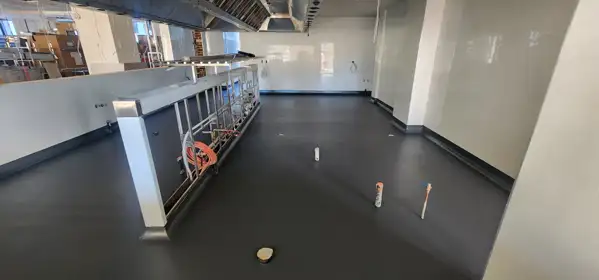
Coving
Seamless floor-to-wall transitions for hygiene-critical environments where cleaning and food safety compliance are essential.
View Solution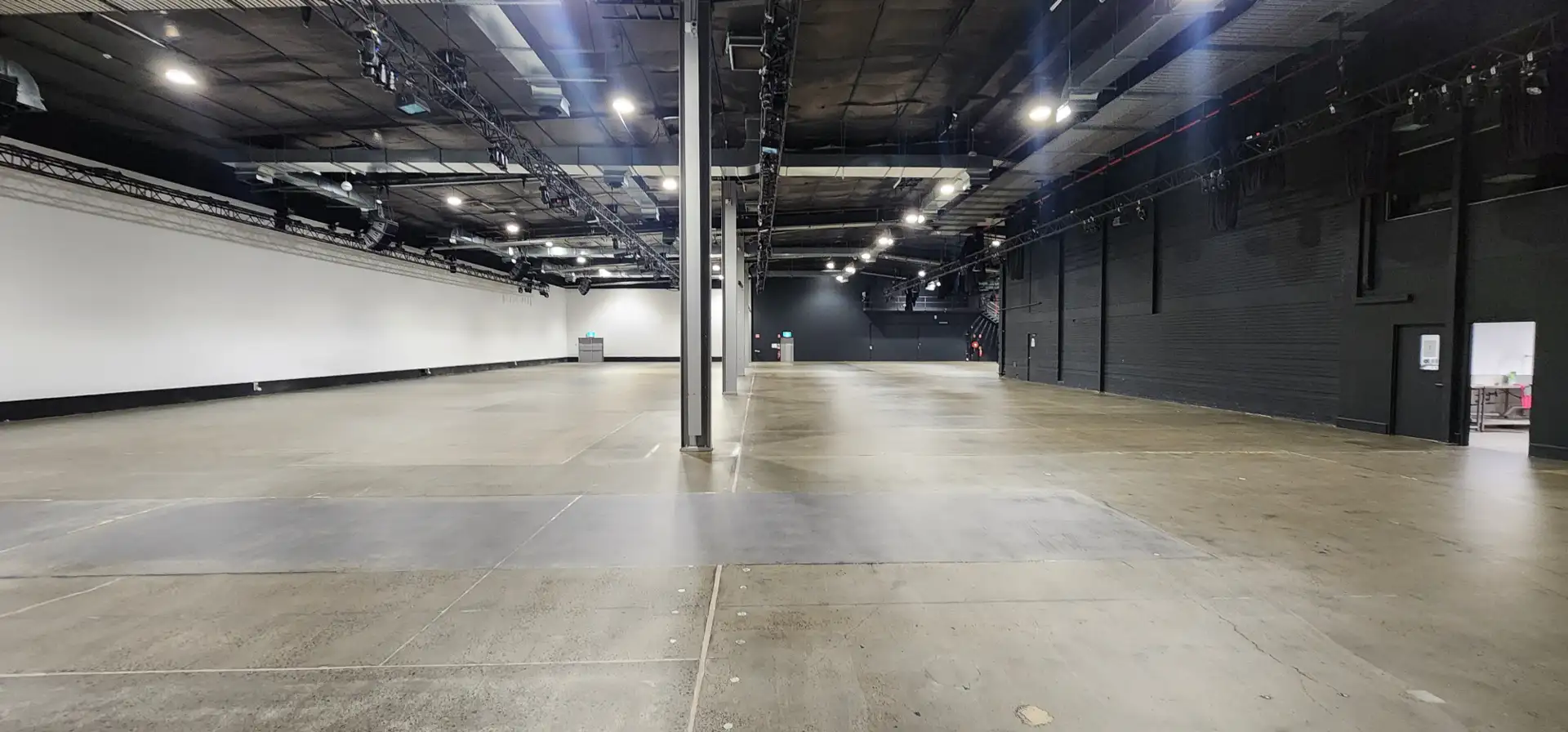
DDA-compliant tactile ground surface indicators for safe and accessible public and commercial spaces.
Tactile ground surface indicators (TGSIs) are required under the Disability Discrimination Act and AS/NZS 1428.4.1 at hazard points, stairways, and pedestrian crossings. Non-compliance creates both safety risks and legal liability.
We install both discrete and integrated tactile indicators in stainless steel, polyurethane, and ceramic, with warning and directional patterns suited to your specific application. Installation methods include surface-applied and recessed options, ensuring full compliance with Australian accessibility standards while maintaining the aesthetic of your floor finish.
Ready to transform your space with tactile indicators? Contact us for a free consultation and quote.
Contact UsSeamless floor-to-wall transitions for hygiene-critical environments where cleaning and food safety compliance are essential.
View Solution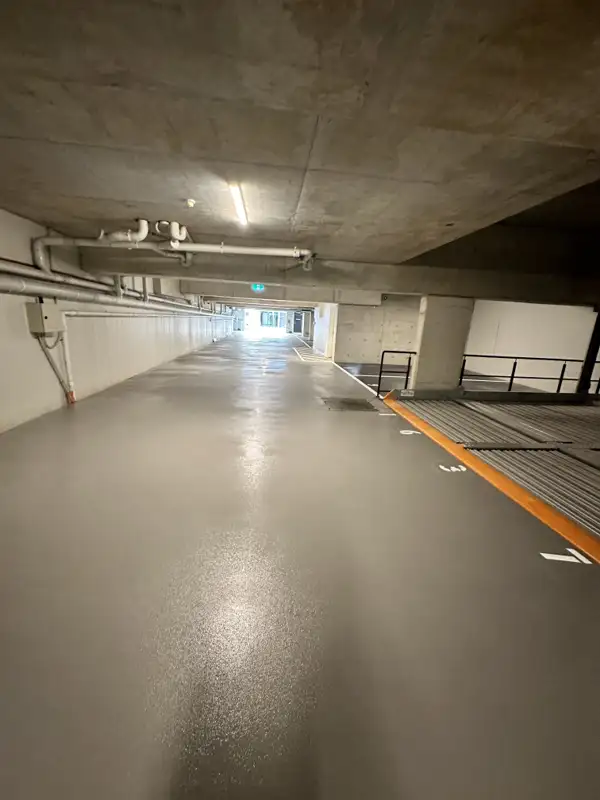
Safety zoning and traffic management markings for industrial and commercial floors that withstand forklift traffic and industrial cleaning.
View Solution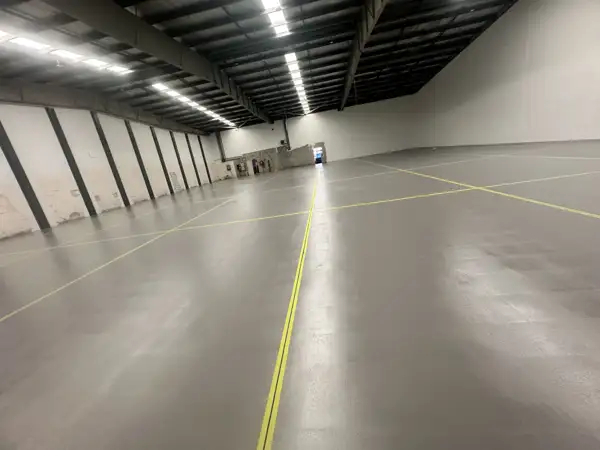
Professional joint filling, sealing, and repair for industrial and commercial concrete floors.
View SolutionSpeak directly with a flooring specialist — not a call centre. No obligation, no pressure.