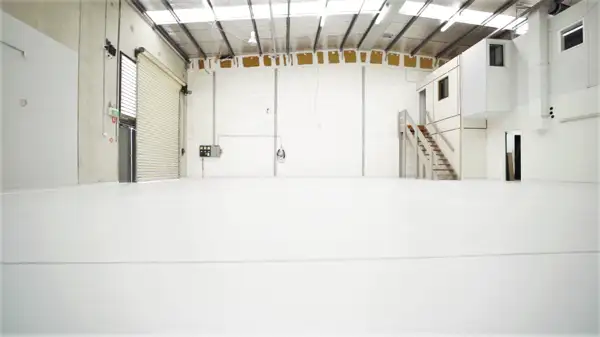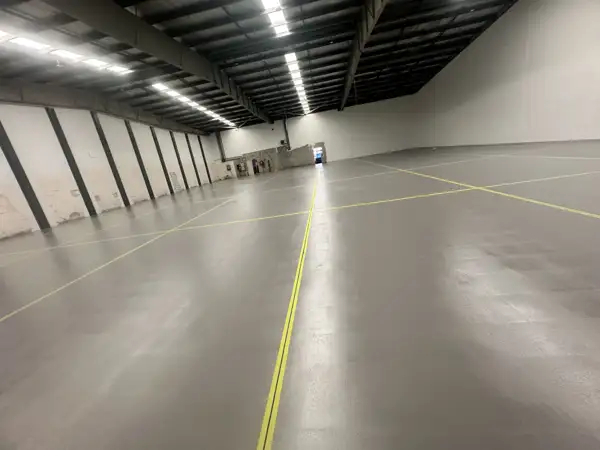
Matraville Warehouse Flooring
Matraville, NSW
View Project 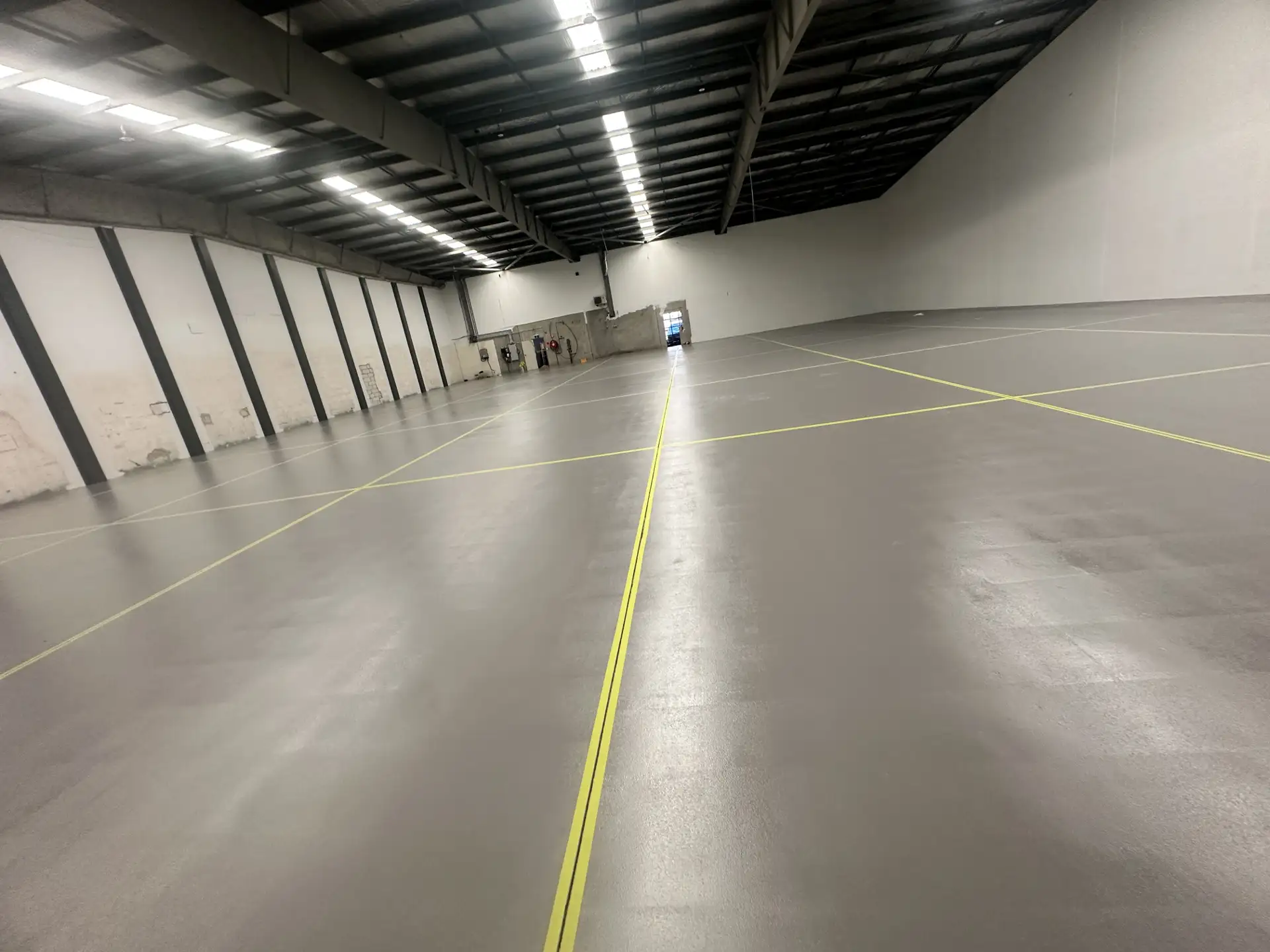
Professional joint filling, sealing, and repair for industrial and commercial concrete floors.
Concrete joints are critical weak points in any floor. Expansion joints, control joints, and construction joints are designed to accommodate movement, but without proper filling and sealing they become pathways for moisture ingress, edge spalling, and contaminant penetration.
We fill, seal, and repair all types of concrete floor joints using flexible polyurethane and semi-rigid epoxy fillers that accommodate structural movement while preventing edge damage from heavy forklift and vehicle traffic. Joint re-cutting and preparation ensure the filler bonds correctly and performs for the life of the floor system.
Ready to transform your space with joint repair? Contact us for a free consultation and quote.
Contact UsReal-world examples of our joint repair installations across Sydney.
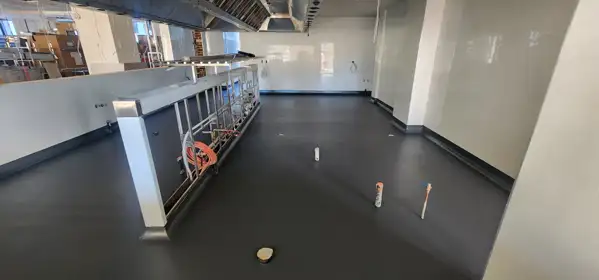
Seamless floor-to-wall transitions for hygiene-critical environments where cleaning and food safety compliance are essential.
View Solution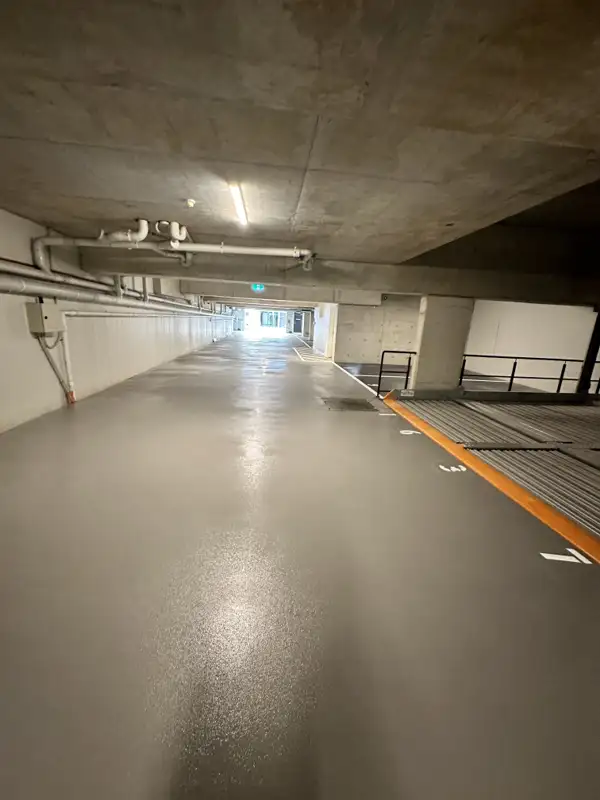
Safety zoning and traffic management markings for industrial and commercial floors that withstand forklift traffic and industrial cleaning.
View Solution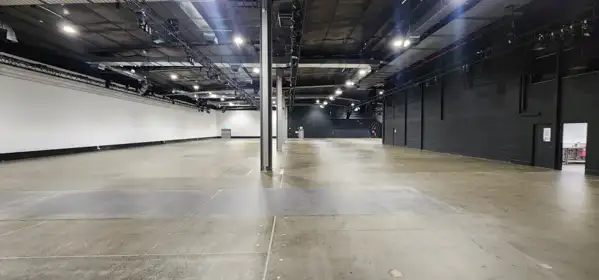
DDA-compliant tactile ground surface indicators for safe and accessible public and commercial spaces.
View SolutionSpeak directly with a flooring specialist — not a call centre. No obligation, no pressure.