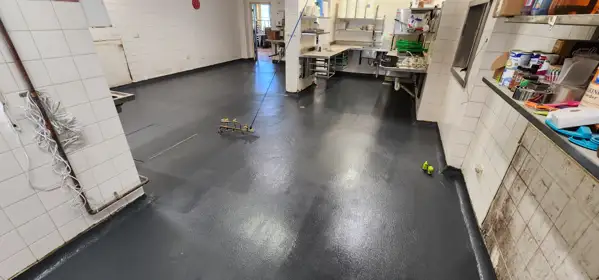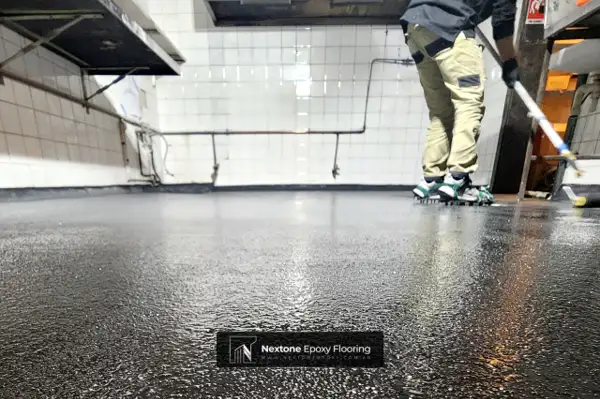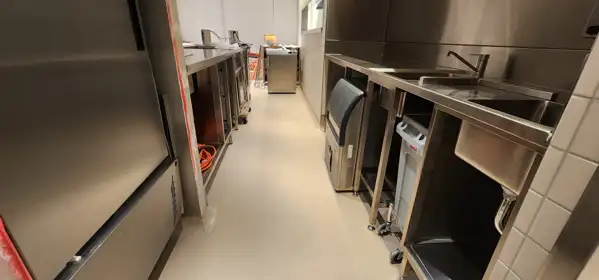
Screeding flooring

Screeding

Precision floor screeding and self-levelling compounds that give your substrate the flatness and profile your final flooring system demands.

Your final floor covering, whether resin, tile, vinyl, or carpet, is only as good as the substrate beneath it. Uneven, cracked, or low-tolerance concrete leads to visible defects, coating failures, and rework that costs more than doing it right the first time.

Our screeding systems include pump-applied self-levelling compounds, polymer-modified sand-cement screeds, and rapid-set formulations that achieve SR1 to SR3 surface regularity to AS 1884 and BS 8204. Thicknesses range from 2 mm feather-edge skim coats to 80 mm structural screeds, depending on your specification.

We assess your substrate with straightedge and laser-level surveys before specifying the system, so you get the correct product and build-up for your project, whether it is a new build, renovation, or remedial levelling.

Key Features

Pump-applied self-levelling compounds for fast, even coverage
Polymer-modified sand-cement screeds for structural builds
Achieves SR1–SR3 surface regularity to AS 1884 and BS 8204
Thickness range from 2 mm skim coat to 80 mm structural screed
Rapid-set formulations that are walkable in 2–4 hours
Compatible with resin, tile, vinyl, carpet, and timber overlays
Substrate assessment by straightedge and laser-level survey
Fibre-reinforced and steel-mesh options for heavy-duty applications

Benefits

Provides the flat, defect-free base your final floor finish requires
Prevents coating failures, tile lippage, and visible undulation
Rapid-set options reduce programme time on time-critical projects
Avoids costly rework from inadequate substrate preparation
Accommodates new-build, renovation, and remedial levelling scenarios
Pump-applied systems cover large areas efficiently

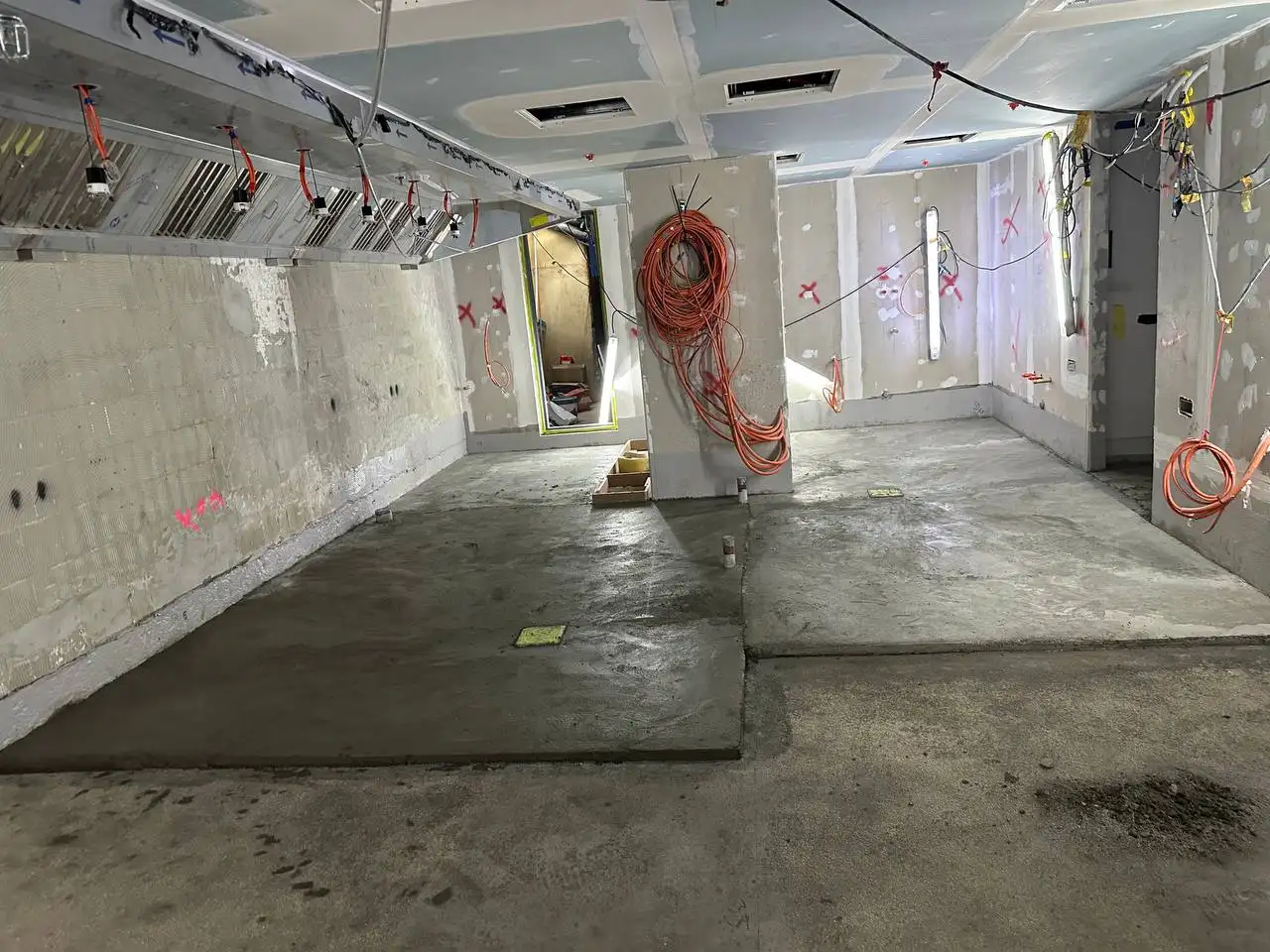
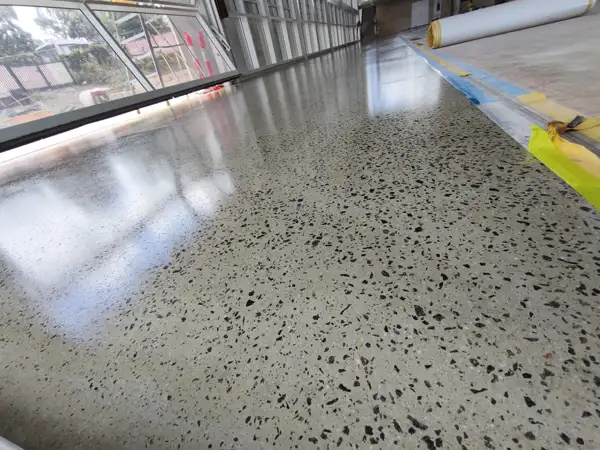
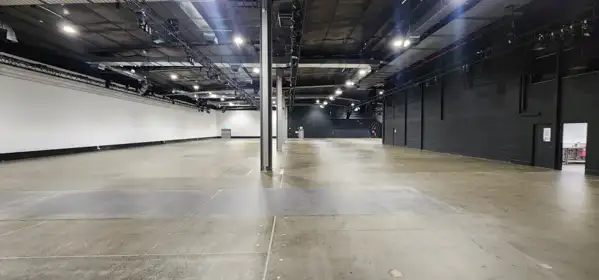
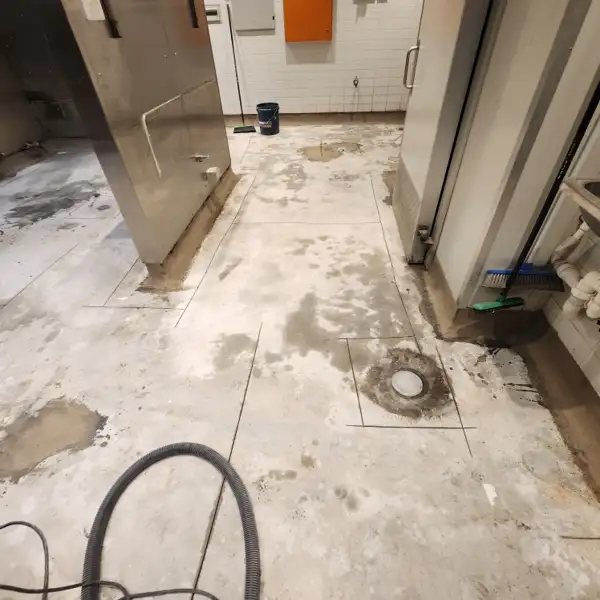
Photo Gallery

Get a Free Quote

Ready to transform your space with screeding? Contact us for a free consultation and quote.

Contact Us

Quick Facts

  • Thickness 2–80 mm
  • Walkable 2–4 hours (rapid)
  • Regularity SR1–SR3
  • Standards AS 1884 / BS 8204

Frequently Asked Questions

What is the difference between self-levelling and sand-cement screeds?
Self-levelling compounds are liquid-applied and flow into a flat surface under their own weight, making them ideal for thin applications over large areas. Sand-cement screeds are stiffer, manually placed materials used for thicker structural builds and where falls or drainage gradients need to be created.
How flat does the floor need to be for my coating?
The required flatness depends on your final floor finish. Resin coatings and polished floors typically need SR1 or SR2 regularity (the tightest tolerances), while tiles and vinyl can tolerate SR2 or SR3. We survey your substrate and specify the correct screed system to achieve the required standard.
How quickly can we walk on the screed?
Rapid-set formulations are walkable in 2 to 4 hours. Standard self-levelling compounds are typically walkable within 24 hours. The time to apply the final floor covering depends on the product and moisture sensitivity of the overlay material.
Can screeding fix a sloped or uneven floor?
Yes. Screeding is specifically designed to correct dips, high spots, and uneven surfaces. Thicknesses from 2 mm feather-edge up to 80 mm structural screed can accommodate most levelling requirements.
Does the existing floor need to be removed before screeding?
Not necessarily. Self-levelling compounds and screeds can be applied over existing concrete, provided it is structurally sound and properly prepared. Loose or debonded material must be removed, and the surface must be primed to ensure adhesion.

Request a Free Consultation

Speak directly with a flooring specialist — not a call centre. No obligation, no pressure.